Where should a porta potty go on a Miami Beach site?
Pick flat ground first. A standard unit stands about 92 inches tall and holds a 60 to 70 gallon tank, so it needs a surface that won't let it lean once that tank starts filling. Avoid soft sod near the shoreline and anything sloped toward a storm drain. If you're running a construction site services job, keep units within a short walk of the active work zone, not tucked behind a fence where nobody bothers. ADA Standards section 403.5.1 calls for a 36 inch clear route to the unit, and section 405.2 caps any ramp at a 1:12 slope, so skip the curb cuts and pick a path a crew member in a wheelchair can actually roll. If you're placing an ADA accessible porta potty, leave a 60 inch turning circle in front of the door per ADA Standards 304.3.1. For events near the water, wind is the real hazard. Anchor kits or extra stakes matter more here than at an inland job. Pair placement with a handwashing station rental nearby so workers aren't crossing the whole site to wash up.
Do I need a permit to place a porta potty in Miami Beach?
Placement in the public right of way needs confirming with the city before you drop a unit on a sidewalk, easement, or street shoulder. Private lots and job sites away from the right of way are usually simpler, but don't assume. This is the same gray area that trips people up with dumpster placement permit questions: a dumpster placement permit cost and process is a separate city conversation from a portable toilet, and the two get bundled by mistake more often than not. Check our porta potty permit requirements page before you finalize a layout, and if you're running dumpsters alongside toilets, read dumpster permit requirements too. Fisher Island sits about 8.8 miles south of central Miami Beach and runs under different access rules entirely, so a plan that works there won't transfer straight to a mainland Miami Beach block. When in doubt, call the city before the truck rolls.
How many units do I need and where do they go relative to each other?
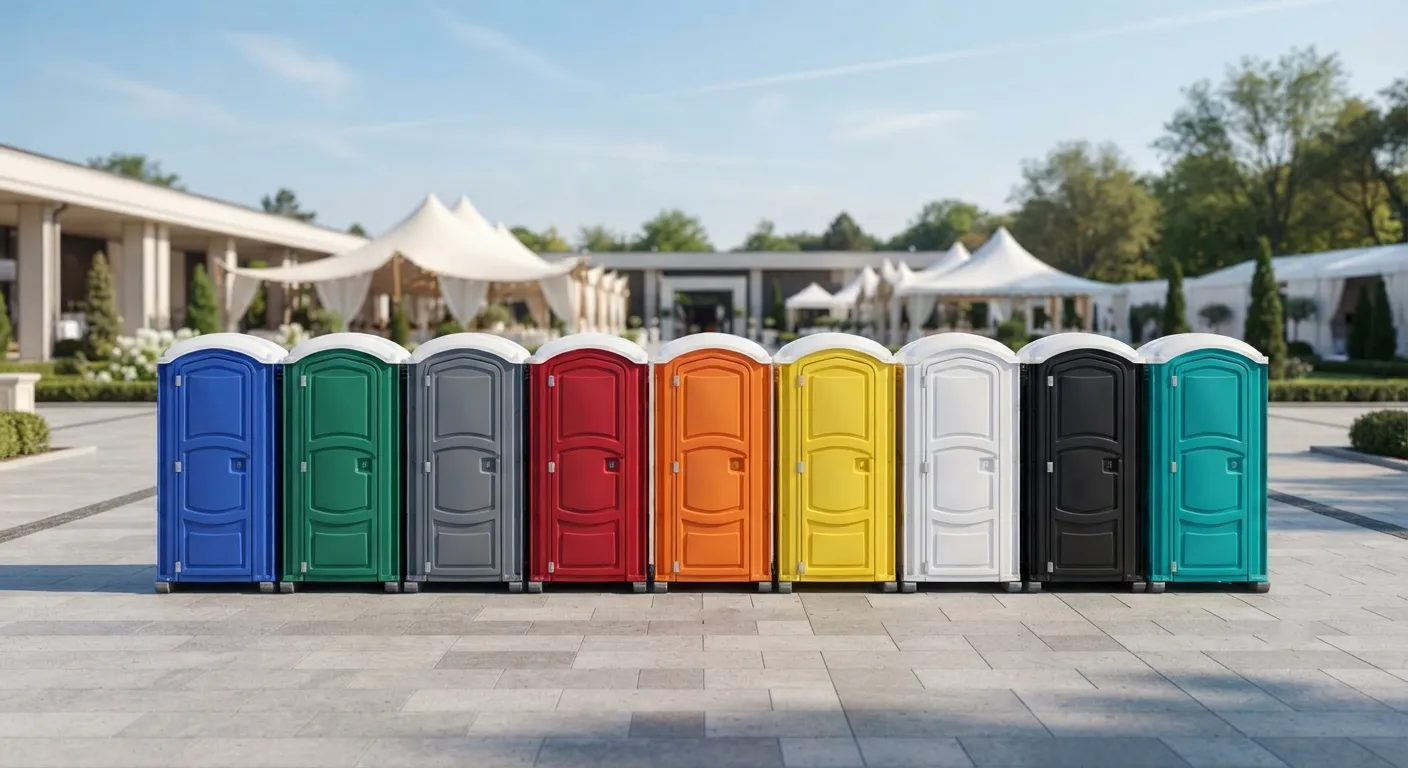
OSHA 1926.51(c)(1) sets the baseline for construction crews: one toilet for 20 workers or fewer, then one toilet seat and one urinal per 40 workers once you pass 20, dropping to one per 50 at 200 or more. Spread units across the site rather than lining them in one spot, especially on a long linear job. ANSI/PSAI Z4.3 treats one service visit per week as the standard interval for up to 10 users across a 40 hour week, which is worth knowing when you're deciding how many units versus how often you pump. Our how many porta potties do i need guide walks through the math by crew size and duration. For events, spacing rules loosen but sightlines matter more; nobody wants a line of units blocking a stage view. Grouping a few standard porta potty rental units with one deluxe flushable porta potty near a VIP area is common at Miami Beach festivals and weddings. See festival restroom rental and wedding restroom rental for event-specific layouts.
What else changes placement decisions on a Miami Beach job?
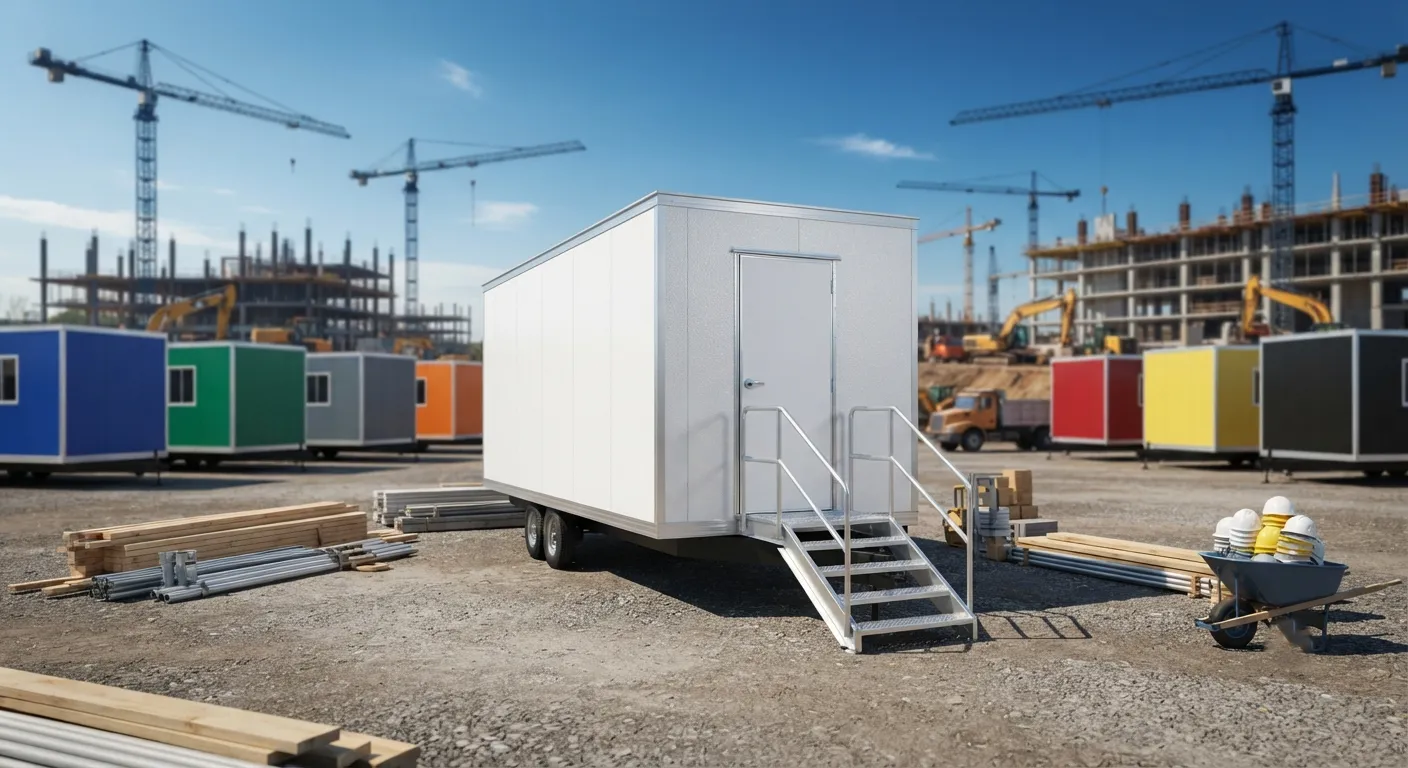
Access for the service truck is the piece people forget. A roll-off delivery needs about 60 feet of straight clearance behind the truck, and portable toilet pump trucks need something similar to maneuver a hose to the tank. If you're also renting a roll-off dumpster rental or a storage container rental, plan one approach lane that serves everything instead of carving separate paths. A mobile office trailer rental placed on site sometimes needs mobile office trailer replacement doors after years of job-to-job wear, and that same trailer's footprint eats into your available clear space, so measure before you commit ground to it. If you're running a handwashing station rental with an Ozark River style basin, keep an eye on wear parts; ozark river portable sink replacement parts like pumps and spigots are a common maintenance item on long-term Miami Beach rentals. Temporary fencing changes placement too. A temporary fence rental around a work zone should route foot traffic toward the restroom, not away from it. Brownsville sits 6.4 miles west of Miami Beach and Miami Shores about 6.8 miles northwest, both useful reference points if you're comparing driving time for a multi-site rental across the county. For septic-side work, a Placerville septic pumping service model applies the same logic Miami Beach crews use locally: a 1,000 gallon residential tank is typically pumped every 3 to 5 years depending on household size, per our how often to pump a septic tank guide.
How far should a porta potty be from a building entrance?
Close enough to be convenient, far enough that odor and door swing don't interfere with foot traffic. Keep at least a few feet of clearance from windows and HVAC intakes. ADA Standards 404.2.3 requires a 32 inch clear door opening if the unit needs to be accessible.
Can I place a porta potty on a sidewalk in Miami Beach?
Placement in the public right of way, including sidewalks, needs confirming with the city first. Private property placement is generally more flexible. Check porta potty permit requirements before finalizing your site plan.
Does a porta potty need to sit on concrete?
No. Level, compacted ground works fine. ADA Standards 302.1 requires the surface be stable, firm and slip resistant if the unit is meant to be accessible, so avoid loose gravel or soft sand for those units specifically.
How much clearance does the service truck need?
Plan for roughly 60 feet of straight clearance behind the unit for the pump truck, similar to what a roll-off delivery requires. Tight urban Miami Beach lots sometimes need a walk-in hose setup instead.
Where do accessible units go in a cluster?
ADA Standards section 213.2 requires at least 5 percent of clustered single-user units to be accessible, with a minimum of one. Place that unit at the front of the row, closest to the main path.
Next step
Get a delivery date
Tell us the address, the dates and the headcount. We size the order and confirm the route.