What triggers a handwashing station requirement on a job site?
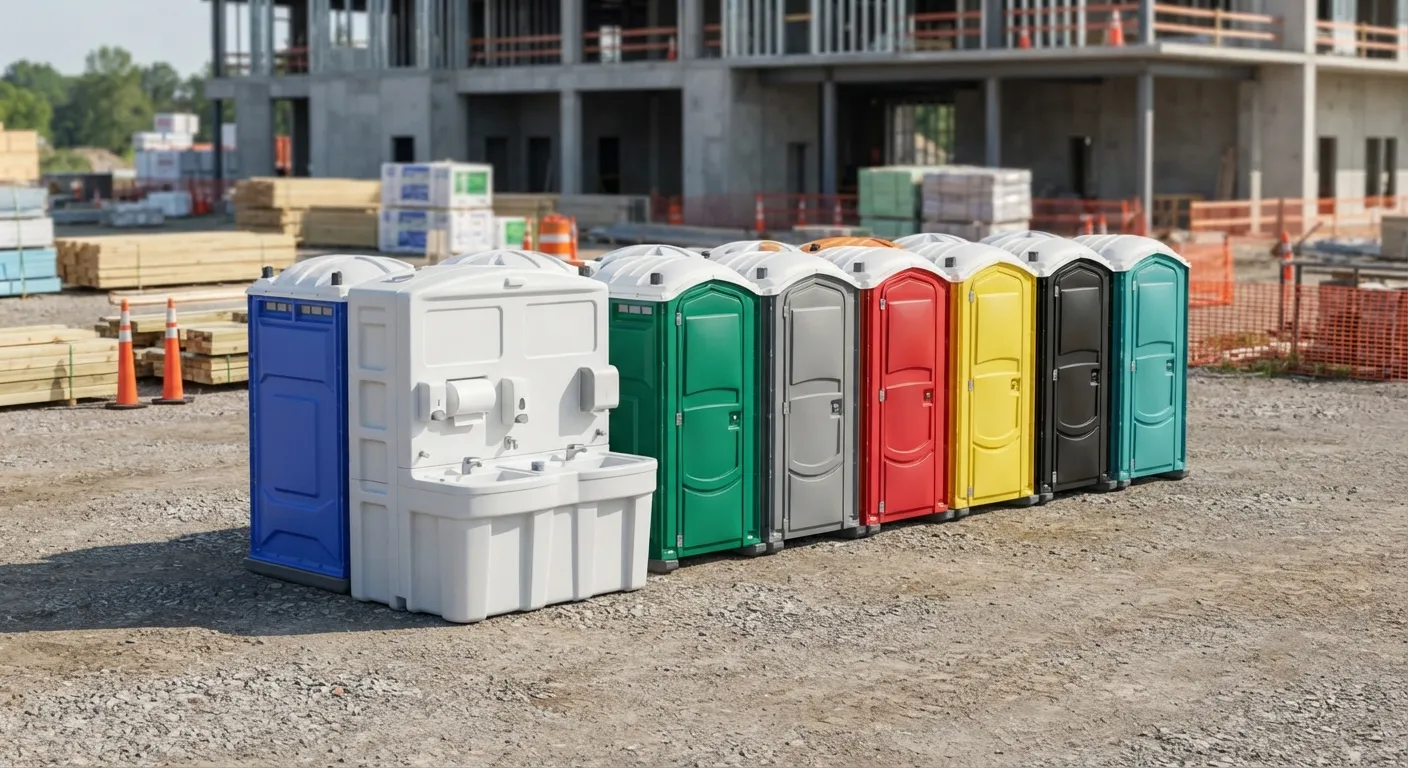
The trigger depends on what the crew is doing, not just the site type. Under OSHA 1926.51(f)(1), washing facilities are required specifically where employees apply paints, coatings, herbicides or insecticides, or work around similar harmful contaminants. That is a narrow rule. It does not mean every construction site needs a sink by law, but it does mean painting crews, pesticide applicators and anyone using coatings in Miami Beach should have one on hand. Separately, 29 CFR 1910.141(d)(2) requires that any washing facility provided include soap and towels or a hand-drying device. Hand sanitizer alone does not satisfy that standard. Farm operations fall under a different rule: OSHA 1928.110 requires potable water, toilets and handwashing within a quarter mile walk of hand-labor employees, at one facility per 20 workers. If you are running a construction site services crew that mixes trades, pair your restroom count with a look at handwashing station rental options before the coatings work starts, not after an inspector asks.
How many handwashing stations do I need for my crew size?
Plan on one station for roughly every 20 workers, mirroring the ratio used in OSHA's field sanitation standard, and add more if your crew works spread out across a large lot. A tight downtown Miami Beach build site with 15 painters might need just one unit near the mixing area. A larger job spanning several acres needs stations placed so nobody walks far to reach one. Toilet counts follow a related but separate rule: OSHA 1926.51(c) sets one toilet for 20 or fewer workers, then scales up as crew size grows. Pairing that toilet count with your handwashing plan keeps you from guessing. Our portable toilet rental page breaks down unit counts by crew size, and our guide on how many porta potties do I need walks through the same math for restrooms. If your project also needs an accessible unit, ADA Standards section 213.2 requires at least 5 percent of clustered single-user toilets to be accessible, never fewer than one, so check our ADA accessible porta potty page too.
Where should handwashing stations be placed on site?
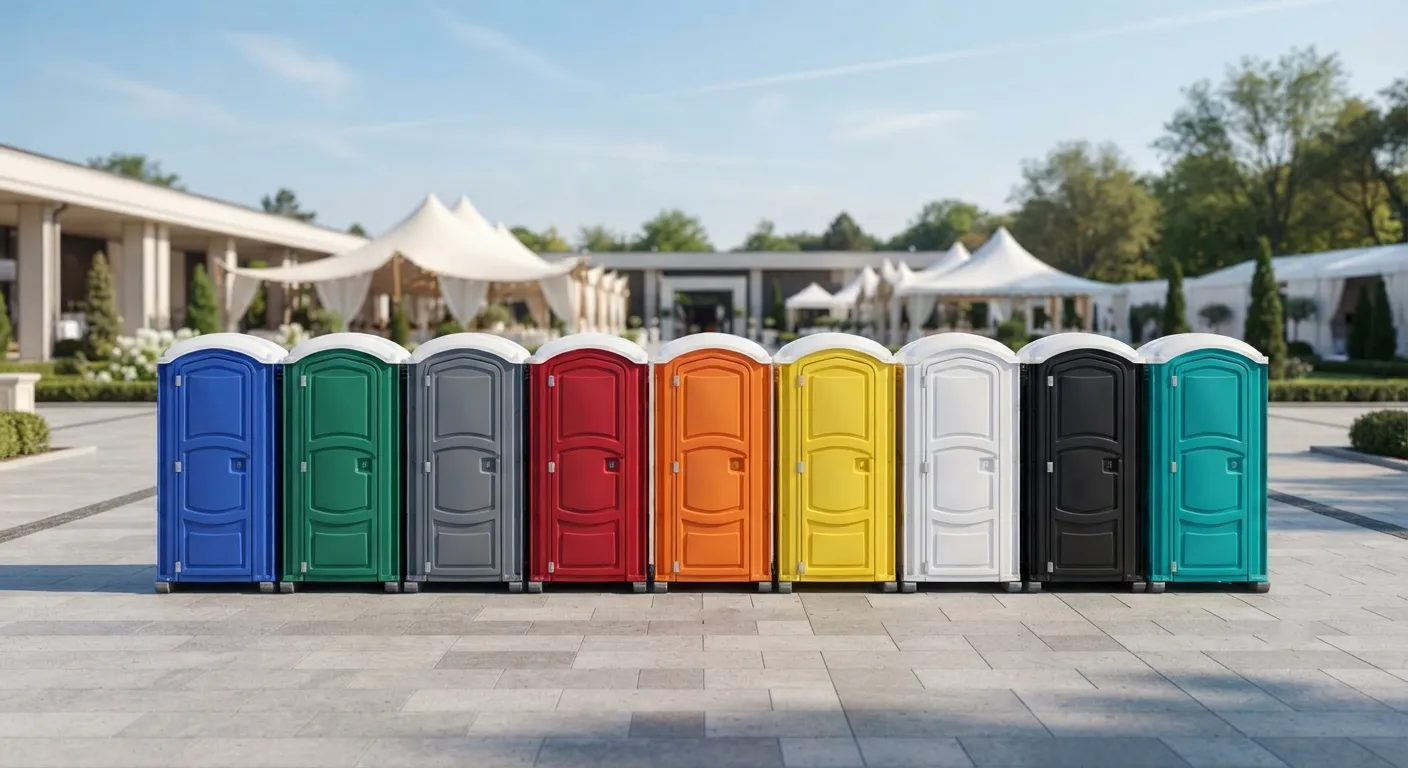
Placement matters as much as count. Stations need to sit on stable, firm, slip-resistant ground per ADA Standards section 302.1, and if the unit needs to be reachable by someone using a wheelchair, the forward reach range tops out at 48 inches per ADA Standards section 308.2.1. Keep a clear path at least 36 inches wide to any accessible unit, per ADA Standards section 403.5.1. On a Miami Beach job site, that usually means placing stations near the break area and near any painting or coating zone, not tucked behind equipment. Our porta potty placement guide covers ground conditions and clearance in more depth, and if you are unsure whether curbside placement needs city sign-off, that is worth confirming directly with Miami Beach before delivery, since public right-of-way rules vary and are not something to guess on. For sites running fencing, our temporary fence rental page pairs well with station placement planning, especially when barricades need to meet OSHA 1926.202's ANSI D6.1 standard.
Do handwashing stations need potable water and daily service?
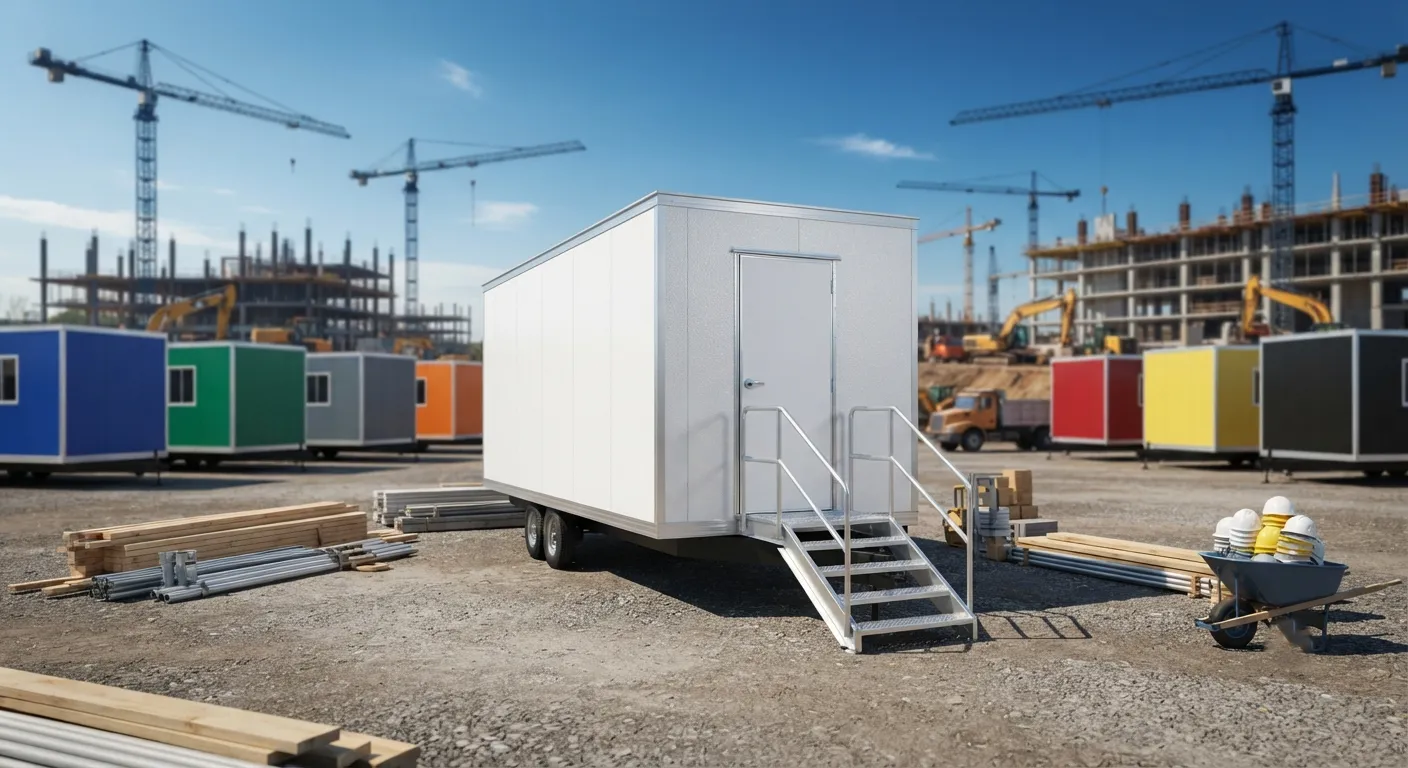
Yes. OSHA 1926.51(a)(1) requires an adequate supply of potable water at all places of employment, and that applies to any handwashing setup on a construction site. Beyond the water supply itself, service frequency matters for keeping soap and towel stock up and tanks from running dry. The portable sanitation industry standard, ANSI/PSAI Z4.3, sets a baseline of one service visit per week for up to 10 users across a 40-hour week, and busier Miami Beach sites often need more frequent visits than that baseline. If your crew is also using portable sink rental units for food service or event work, ask about service intervals up front. Restaurants, catering setups and food trucks around Miami Beach should also look at grease trap pumping, since a grease interceptor needs pumping once fats, oils, grease and solids reach 25 percent of the liquid depth. Event organizers running festivals or races should check festival restroom rental or marathon and race restrooms for combined restroom and handwashing packages.
How much does a handwashing station rental cost in Miami Beach?
Pricing depends on unit type, crew size and rental length, and it is worth requesting a quote for your specific job rather than guessing from a general range. Multi-unit jobs often bundle handwashing with portable restroom rental service, which can lower the per-unit delivery cost. Ask Miami Beach Porta Pros for a breakdown before you commit.
Does hand sanitizer count as a handwashing station under OSHA?
No. 29 CFR 1910.141(d)(2) requires soap and towels or a hand-drying device at any washing facility; sanitizer alone does not meet that standard. If your crew works with paints or coatings, OSHA 1926.51(f)(1) applies too, and a sanitizer-only setup will not satisfy either rule.
Can I rent a handwashing station for a single weekend event?
Yes, short-term rentals are common for weekend events, weddings and festivals across Miami Beach. Pair the station with event restroom rental or wedding restroom rental units so guests have both facilities in one delivery, reducing setup time and delivery trips.
Do I need a permit to place a handwashing station on a sidewalk?
That depends on placement and needs confirming with the City of Miami Beach directly, since public right-of-way rules are not something to assume. Check our porta potty permit requirements page for the general framework, then call the city for your specific block.
How far will Miami Beach Porta Pros travel to deliver a station?
Delivery covers Miami Beach and nearby communities; Brownsville sits about 6.4 miles west and Miami Shores about 6.8 miles northwest, both within normal delivery range. Check service areas or request a quote to confirm delivery to your address.
Next step
Get a delivery date
Tell us the address, the dates and the headcount. We size the order and confirm the route.